The Americans under Commodore Oliver Hazard Perry defeated the British squadron on Lake Erie, opening the way for a land invasion of Canada. It was the first time in history that an entire British Naval squadron surrendered.
This is a continuation of my series on famous burials in Hollywood Cemetery in Richmond, VA. Other posts in the series can be viewed here.
I never posted about the massive Confederate monument in Hollywood Cemetery during my series at Gettysburg Daily. That makes this post the first of the “lost episodes”.
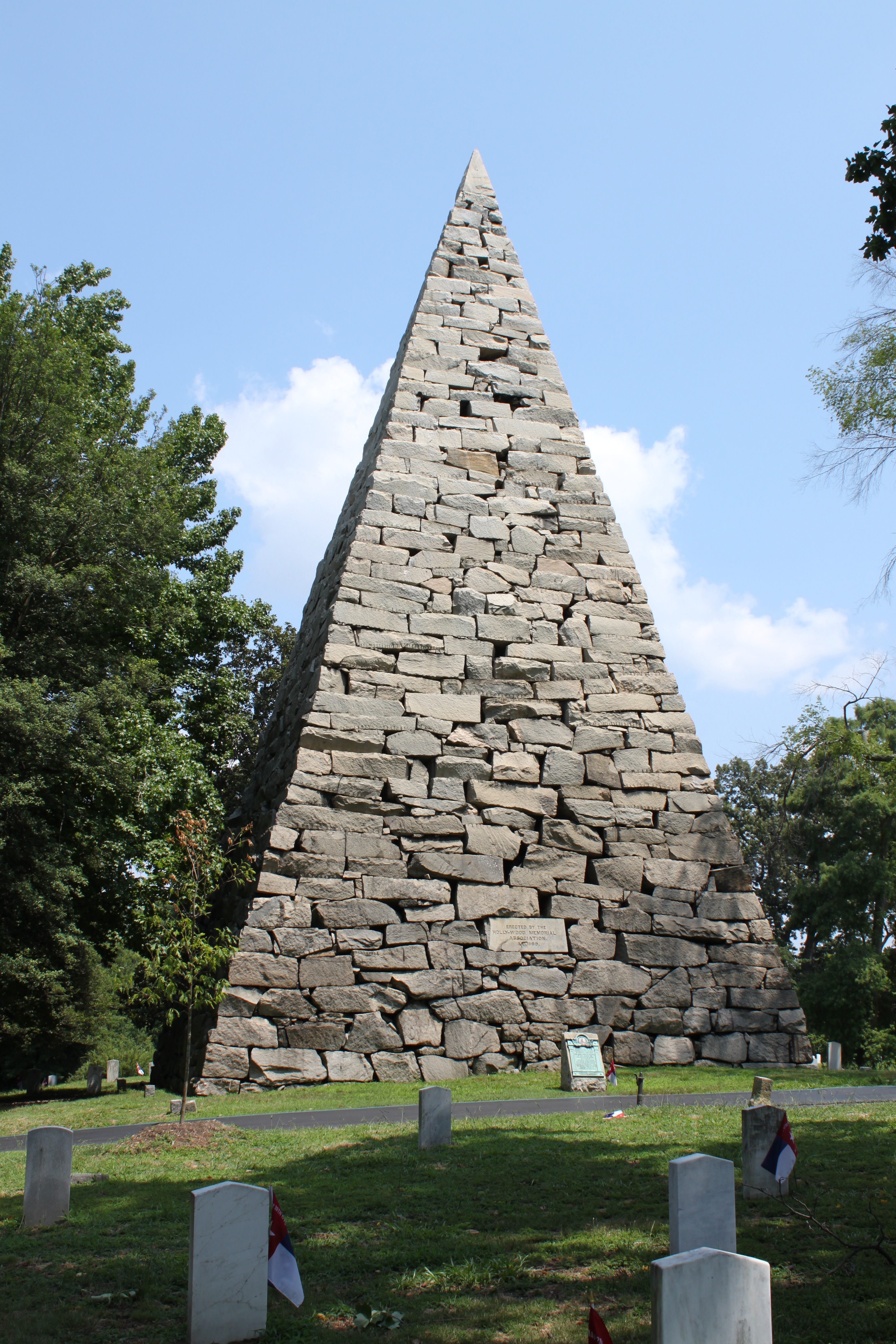
South of Gettysburg Hill is a giant monument to the Confederate dead that was erected by the Hollywood Memorial Association in 1869. It’s a 90-foot, 4-sided stone pyramid on top of a hill. It makes for a very hard-to-miss landmark.
The Confederate Pyramid. Photo by John Dolan.
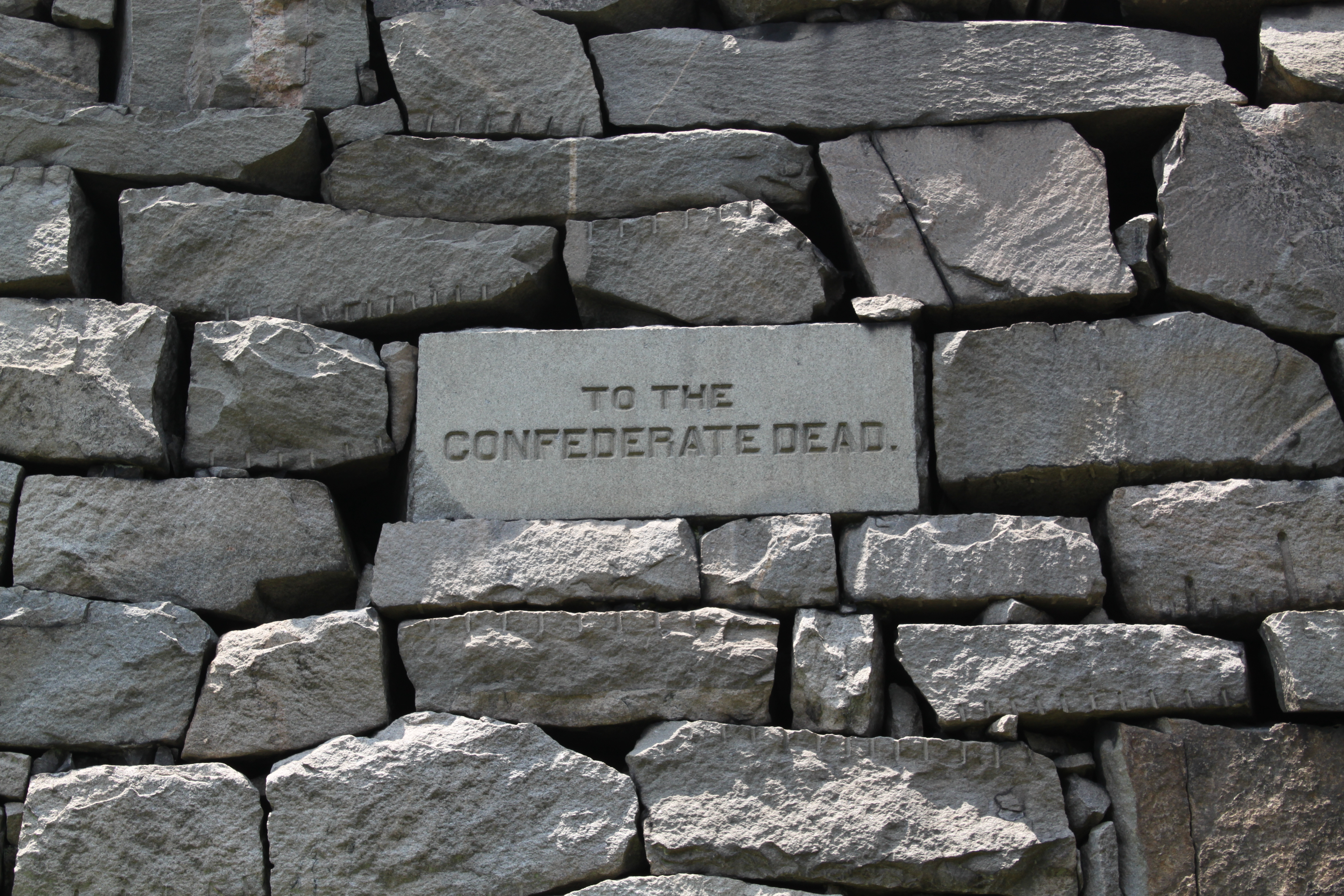
Each face of the monument has an engraved stone with an inscription near the middle of it, about 6 feet off the ground. The one on the west side reads, “Erected by the Holly-Wood Memorial Association A.D. 1869”. On the south side, “Numini et Patri ae Asto” (my Latin is a little rusty, but I think this translates to “God and the Father Await”). On the north side, “Memoria in Aeterna” (or “Eternally in our memory”). Finally, the main inscription is on the eastern face:
The inscription dedicating the monument. Photo by John Dolan.
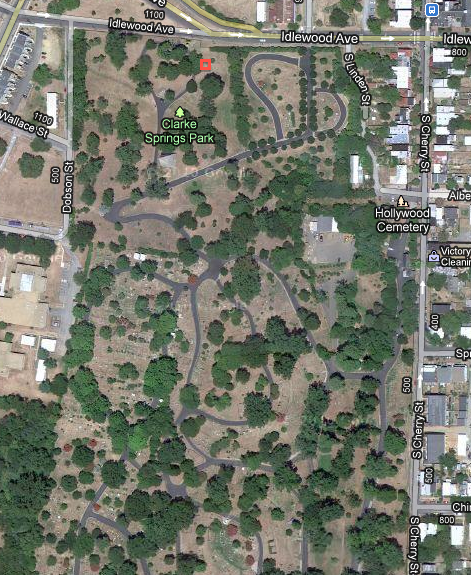
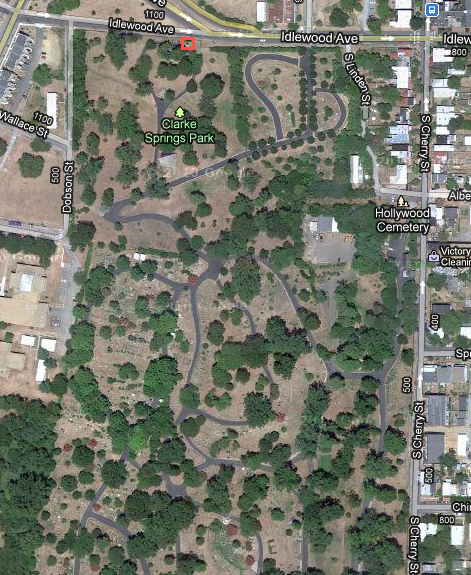
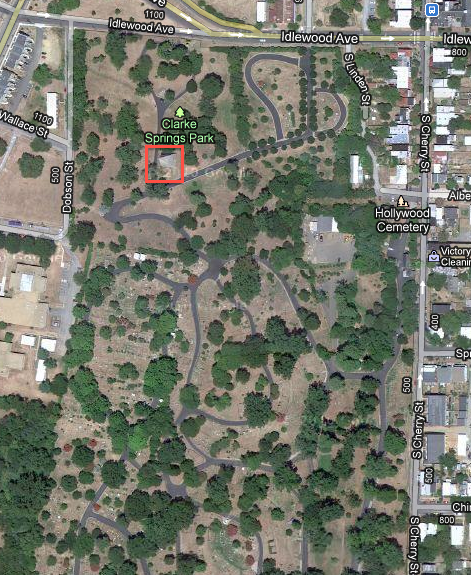
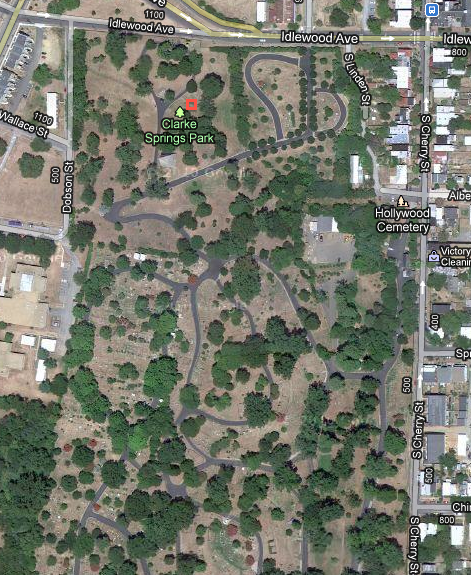
As I said above, the pyramid is located just south of Gettysburg Hill, and is plainly visible on satellite photos. It’s that big.
The Confederate Pyramid is located inside the red box.
In the short video below, I give a description of the monument and tell one of the stories people tell of how it was built.
Video by John Dolan
Next time, we’ll showcase another landmark in Hollywood Cemetery from the “lost episodes” archive.
This is a continuation of my series on famous burials in Hollywood Cemetery in Richmond, VA. Other posts in the series can be viewed here.
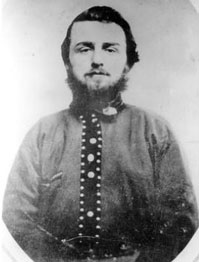
Most Gettysburg nerds have heard of Wesley Culp – the boy from Gettysburg who went south and fought for the Confederacy. The story is that he was killed on Culp’s Hill (owned by members of his family) during the battle some time between July 2nd and 3rd, 1863.
John Wesley Culp
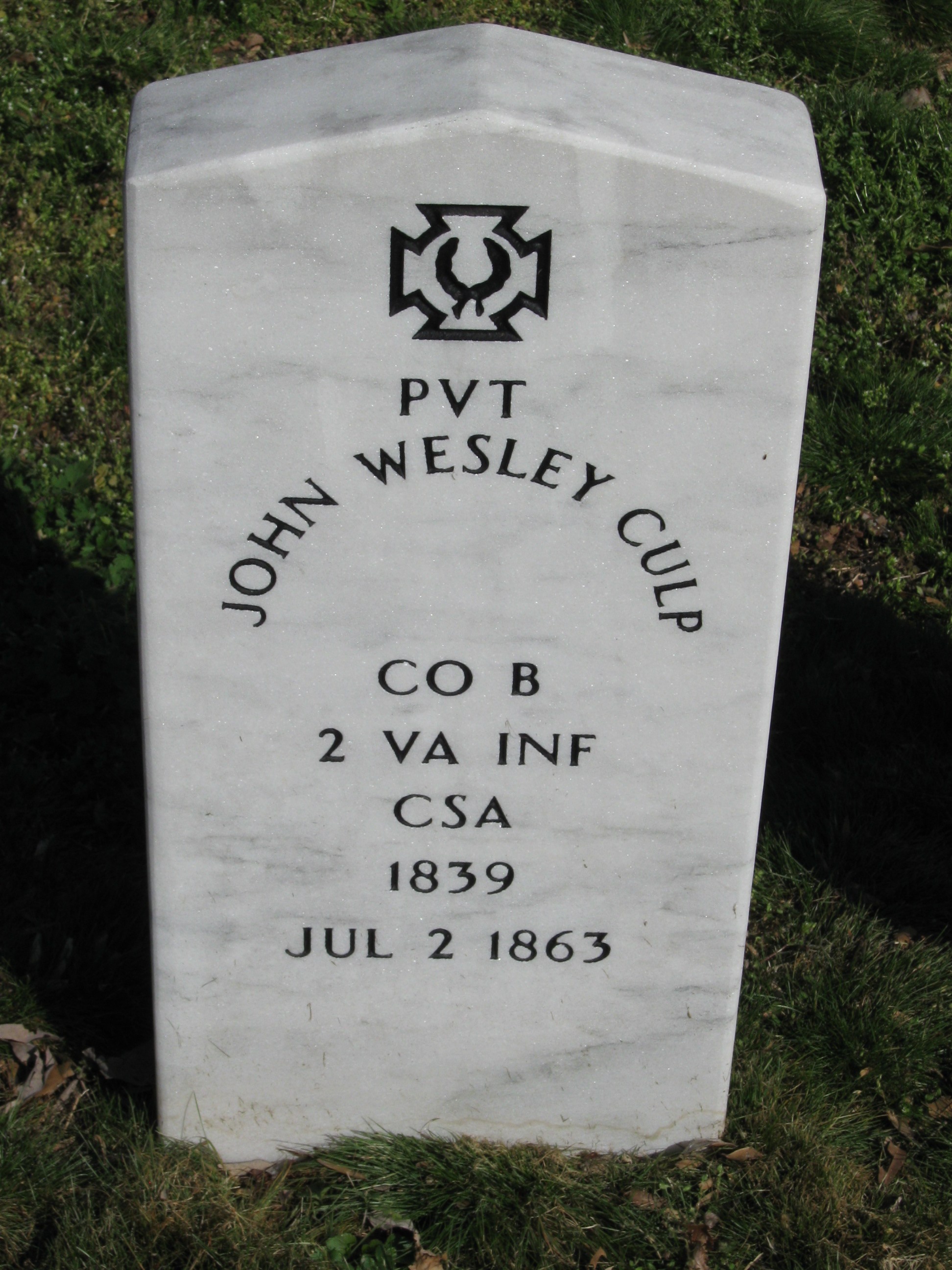
As you can imagine, since we aren’t really sure when he died, we aren’t really sure where he died either. So we don’t know for sure where his remains ended up. That being said, he has a marker here at Hollywood:
This is a continuation of my series on famous burials in Hollywood Cemetery in Richmond, VA. Other posts in the series can be viewed here.
Anyone who has seen the movie Gettysburg knows the story of Brigadier General Richard Brooke Garnett (or at least an interpretation of it). The fact of the matter is that he is shrouded in some mystery.
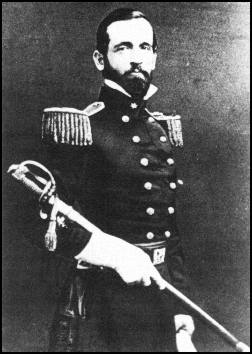
For one thing, we don’t reliably know what he looked like. The usual picture that you see of him is this one:
Richard B. Garnett?
But there’s some thought (spurned on by members of the Garnett family, I think) that perhaps this was a photo of his cousin, Brig. Gen. Robert S. Garnett, the first general killed during the Civil War. Apparently the two men had very similar features.
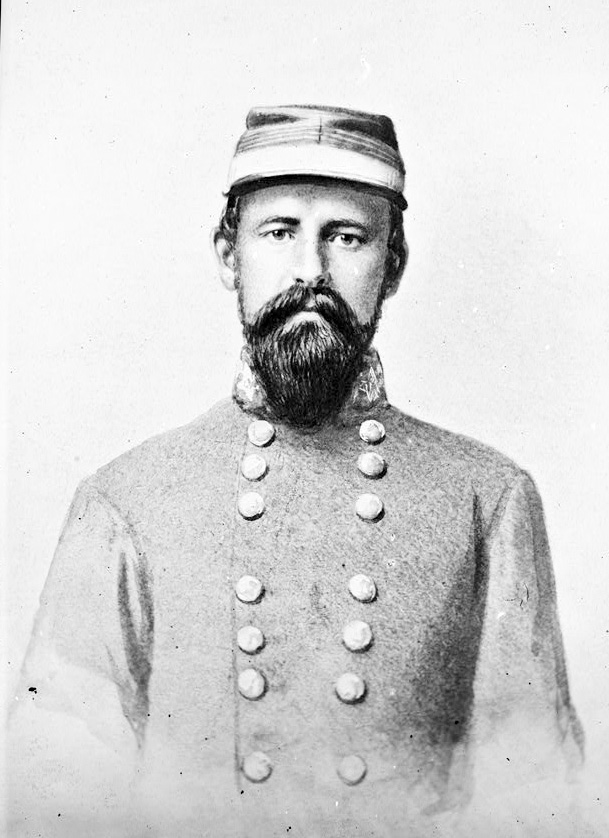
There is another photo that could be Garnett. This one was found in the Library of Congress labelled as “Franklin Gardner“. At least some people think that this is in fact, Brig. Gen. Garnett:
Is this Richard B. Garnett, and not Franklin Gardner?
Yet another mystery surrounds the whereabouts of his remains. As I explain in the video below, none of the Union burial details ever made note of finding the remains of a General among the Pickett’s Charge dead.
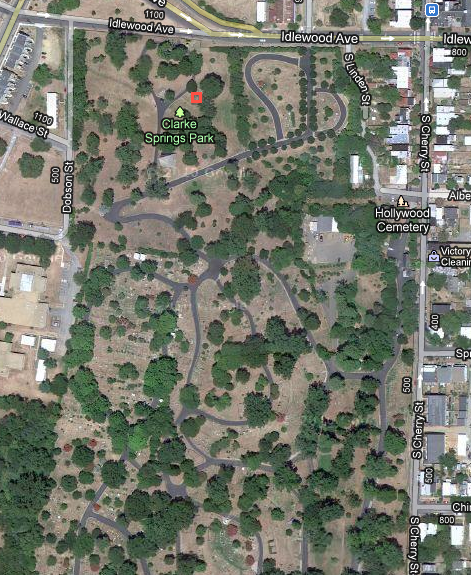
The location of his marker is right in the middle of Gettysburg Hill:
The monument to Richard Brooke Garnett is located at the red square.
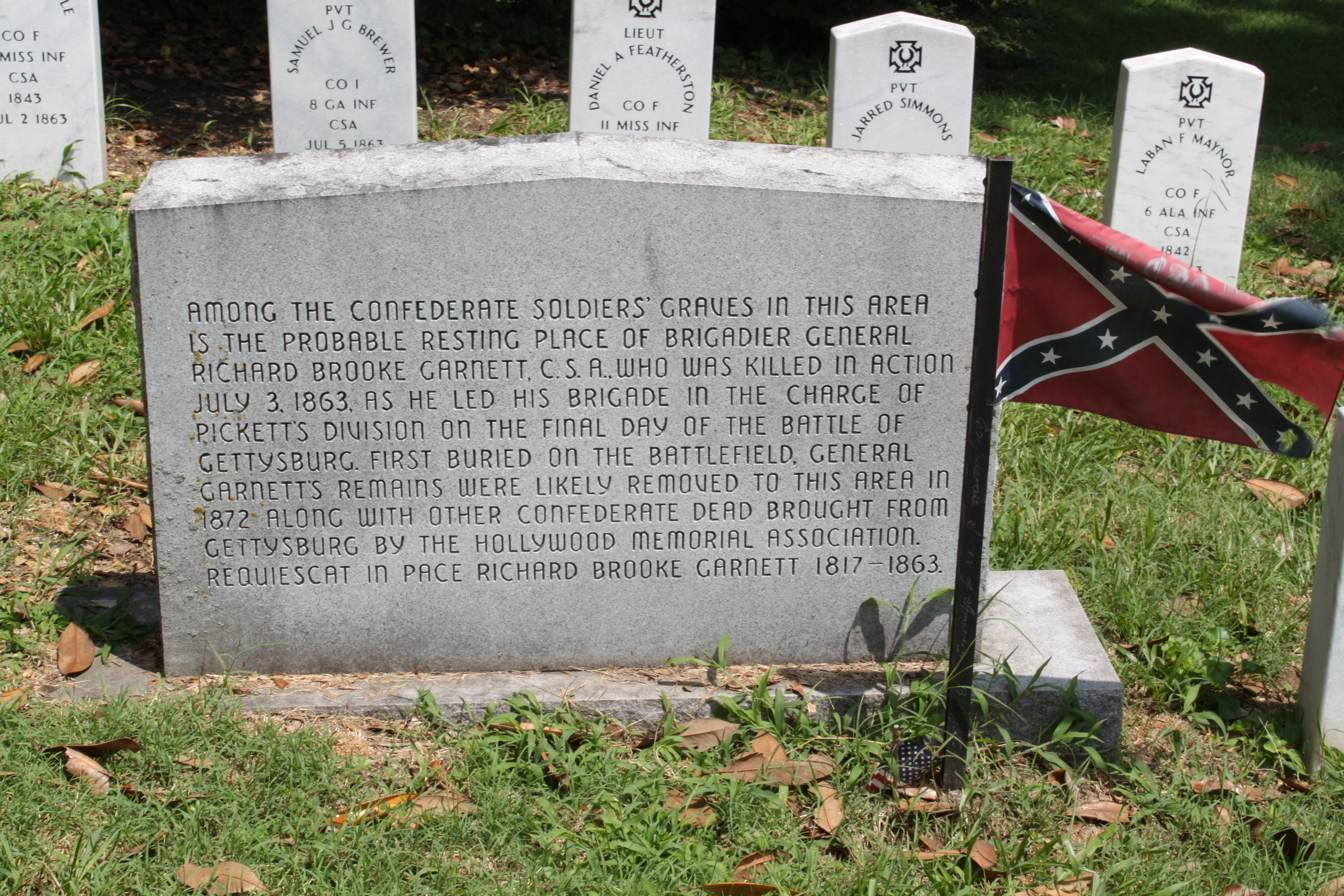
His “headstone” itself is also unique. Since the whereabouts of his remains is unknown, it’s more of a memorial than an actual marker. It was placed here (as it says) by family and friends in the 1990s.
The front of Richard B. Garnett’s monument. Photo by John Dolan.The back of Richard B. Garnett’s monument. Photo by John Dolan.
In the next installment, we’ll highlight another mysterious “burial” on Gettysburg Hill.
This is a continuation of my series on famous burials in Hollywood Cemetery in Richmond, VA. Other posts in the series can be viewed here.
Another of Pickett’s officers that was involved on July 3, 1863 was Lt. Colonel John T. Ellis of the 19th VA Infantry. He didn’t participate in the attack itself though, because he was killed shortly before Pickett’s division set out across the field.
Lt. Colonel John Thomas Ellis
Ellis is buried at Hollywood Cemetery in the Gettysburg Hill section, just a short way down the hill from General Pickett himself.
The grave of John Thomas Ellis is marked by the red square.
In the video below, I give a very brief biography of Lt. Col. Ellis and explain how he was killed.
And of course, we have a close-up shot of Lt. Col. Ellis’s headstone. One of many here on Gettysburg Hill.
The headstone of Lt. Col. John T. Ellis. Photo by John Dolan.
Next time, we’ll talk about another high-ranking officer in Pickett’s division who is likely to be buried here among his men.
This is a continuation of my series on famous burials in Hollywood Cemetery in Richmond, VA. Other posts in the series can be viewed here.
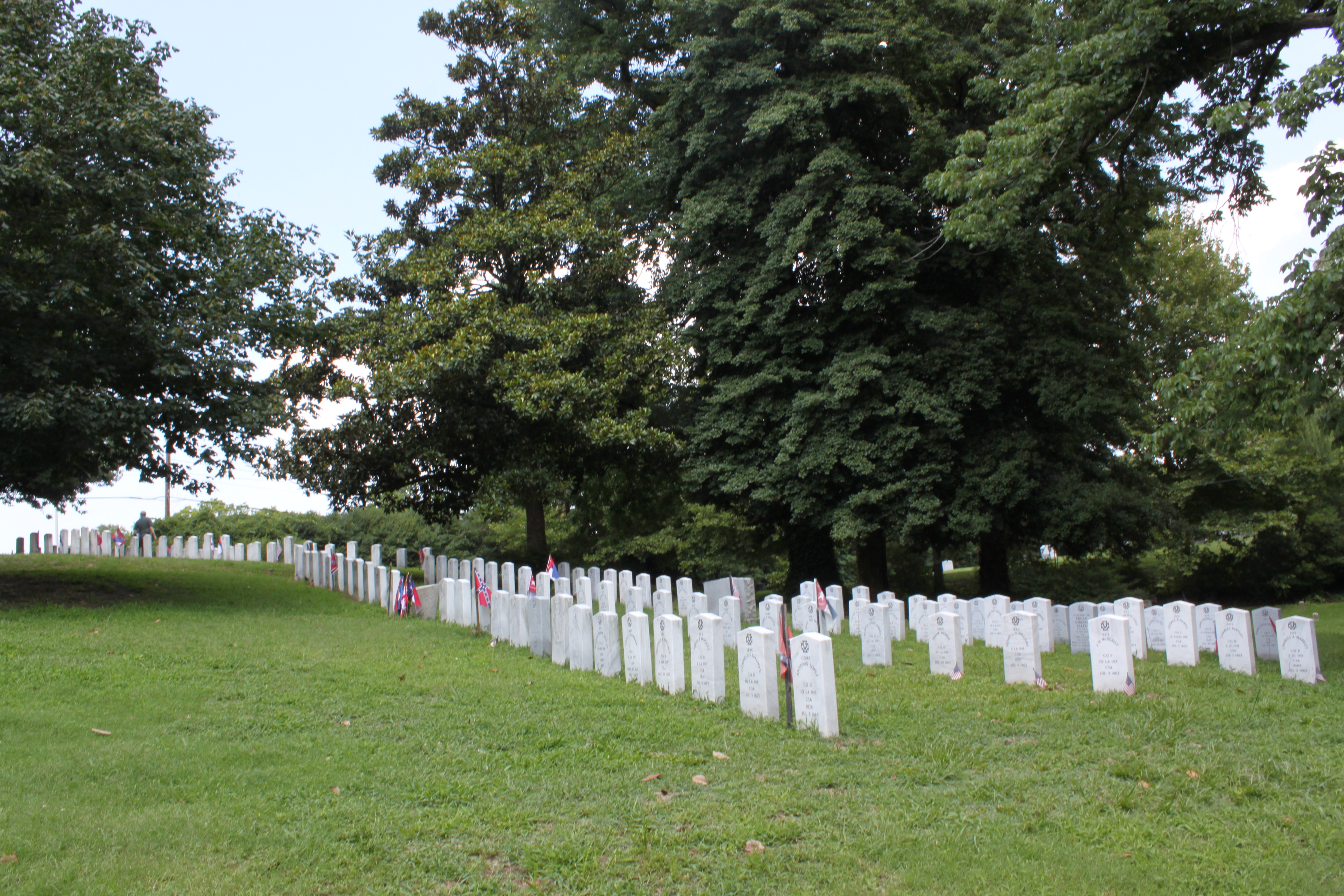
The area of Hollywood Cemetery that we’ve been exploring so far is known as Gettysburg Hill. This hill got its name from the more than 2,000 Confederate dead from the Battle of Gettysburg that are buried in this section.
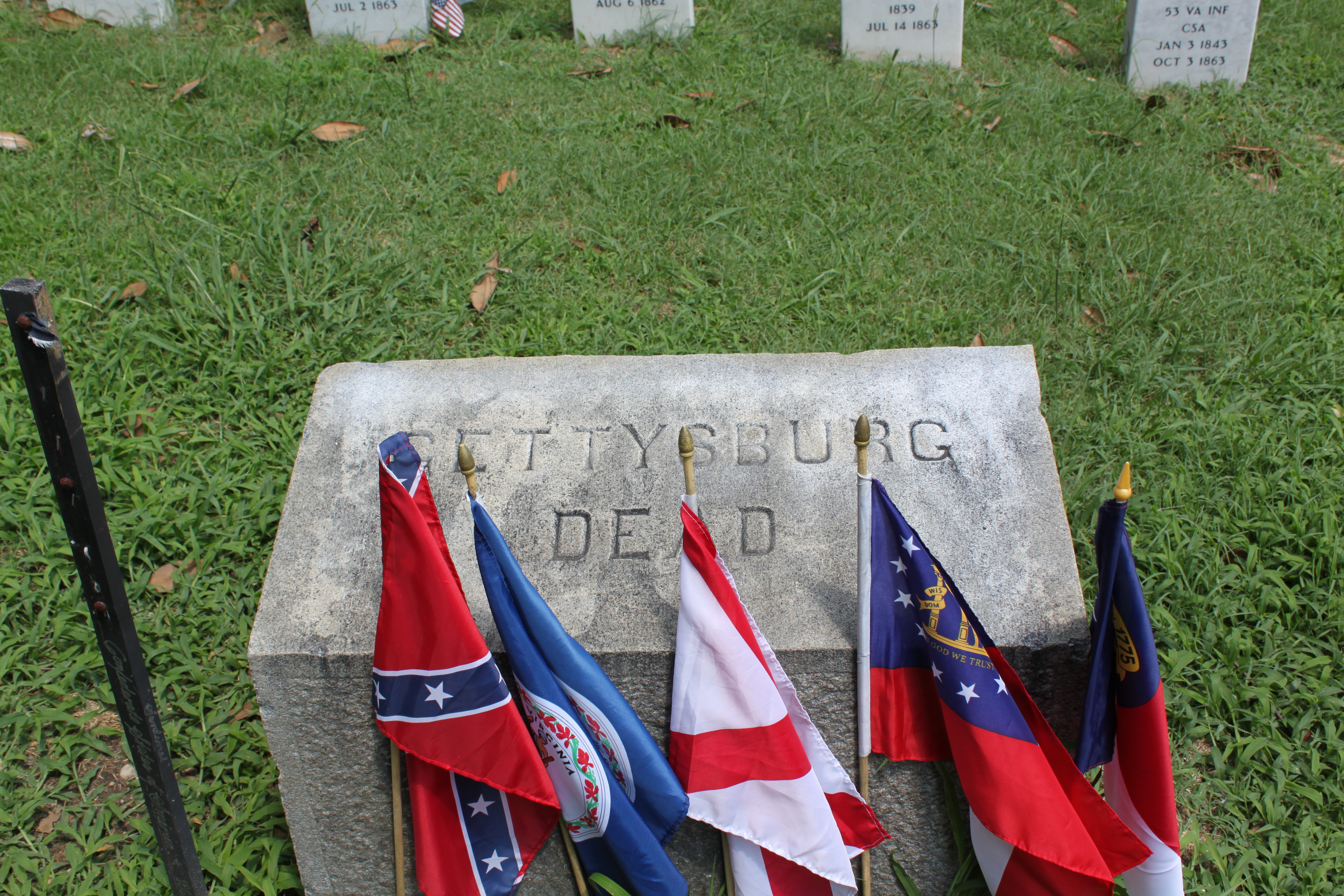
The marker where the Gettysburg dead are buried. Photo by John Dolan.
As we know, the Confederates didn’t hang around very long after the battle. They were on the road south by July 4. There was no way for the Confederates to collect or bury all of their dead – especially those who died near or beyond the Union lines. Those men were buried largely in mass graves by Union burial details and U.S. government contractors. So how did thousands of dead from Gettysburg end up in Richmond, VA?
The southern economy was wrecked by the war. Even families who wanted to exhume their relatives to move closer to home couldn’t afford to do so. It took until 1872 for the Hollywood Memorial Association to raise enough money to have a large number of these men – mainly the dead from Pickett’s Charge – moved to the cemetery. After nearly 10 years, there wasn’t much left of the remains, and no good method for identifying them. They were buried in a mass grave, much as they had been on the battlefield.
Since so many of the dead in this area were from Pickett’s Charge, Pickett himself chose to be buried on this hill near his men. For better or worse, July 3, 1863 really had become the defining moment in his life, and would remain so for all time.
In the last few years, headstones have been added to this section for the men who are likely to have been buried here. We’ll talk about a few of them in the next few posts, but for now, here are some views of the hill that we took during our visit two years ago:
Looking down the hill from the top. Photo by John Dolan.A view from the opposite direction, looking up the hill. Note the top of General Pickett’s monument at the top left. Photo by John Dolan.One more view from the bottom of the hill showing all the headstones. Photo by John Dolan.
In the next post, we’ll talk about one of the men who is memorialized by a headstone in this section.
This is a continuation of my series on famous burials in Hollywood Cemetery in Richmond, VA. Other posts in the series can be viewed here.
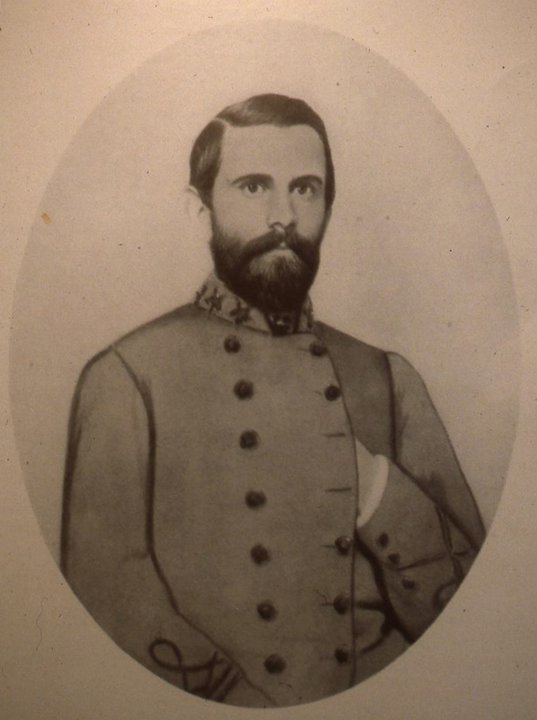
Colonel Lewis B. Williams
Right next to Pickett’s grave is the grave of one of his officers, the commander of the 1st VA Infantry, Colonel Lewis B. Williams.
As most Civil War buffs know, Pickett’s Charge was a spectacular failure. In addition to a 50% casualty rate among the rank and file of the division, every single field officer under Pickett’s command was either killed, wounded, or captured. Colonel Williams was one of the men who was mortally wounded in the assault.
It was his decision to ride his horse across the field rather than walk – the same decision made by Brigadier General Richard B. Garnett that day – that was his undoing. When a shell exploded near him, he was thrown from the horse and landed on his own sword. He died later that night.
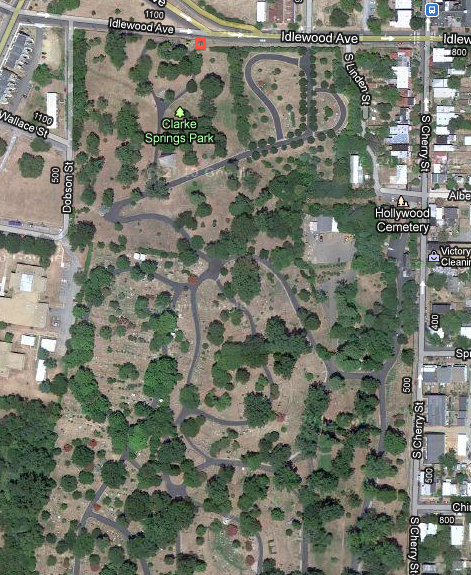
Like Pickett, his grave is located in the Gettysburg Hill section of the cemetery within a few feet of his division commander.
The red square marks the location of the grave of Lewis B. Williams.
In the video below, I give a short biography of Colonel Williams and show his headstone. General Pickett’s marker is just behind the camera.
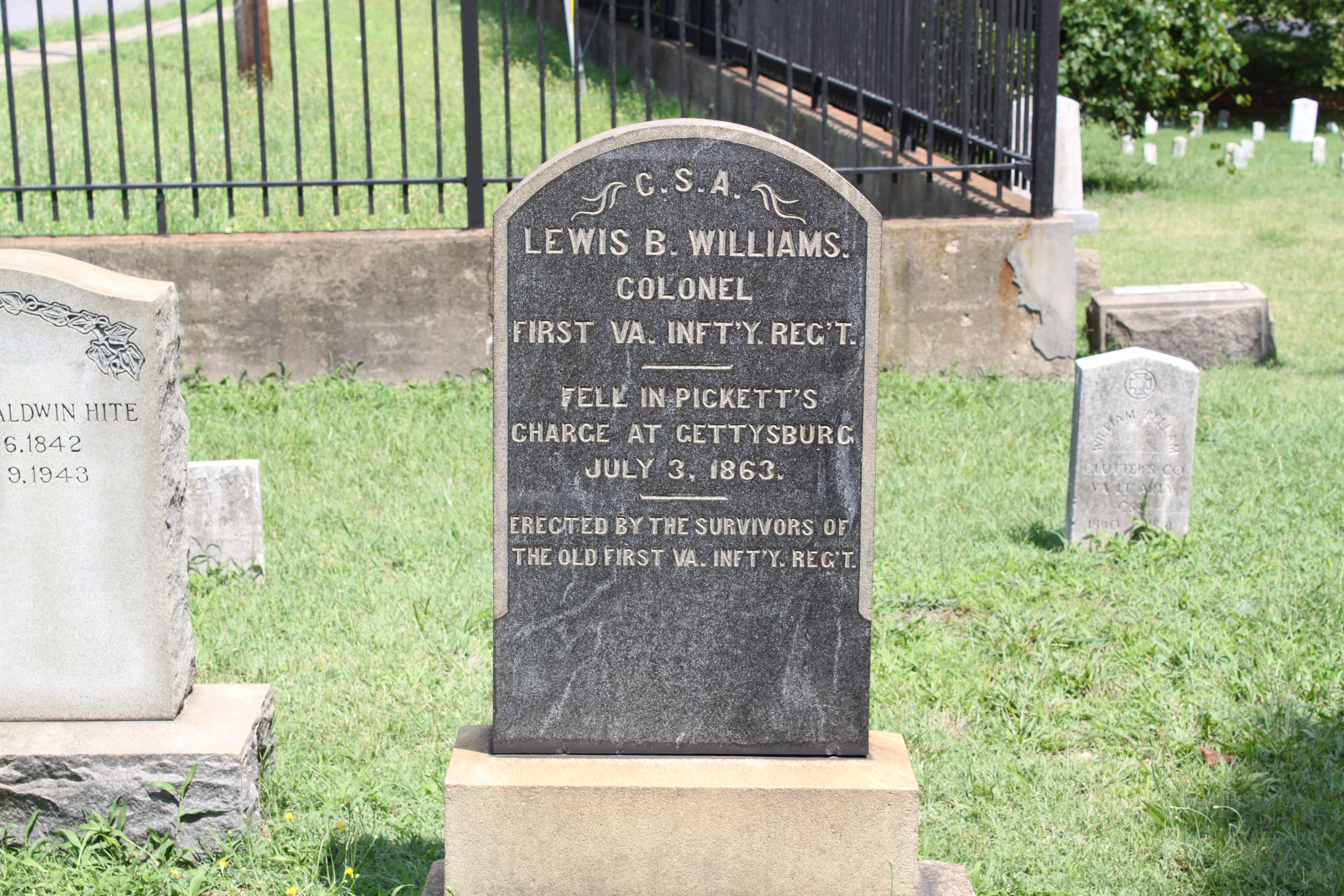
Here’s a close-up shot of Lewis B. Williams’ headstone. It’s very distinctive and easy to recognize from a distance.
The headstone of Lewis B. Williams. Photo by John Dolan.
In the next installment, we’ll talk a little more about the Gettysburg Hill section of the cemetery and how it came to be. Then, we’ll move on to discussing some of the men who probably found their final resting places there.
His grave is located in the northern-most section of the cemetery near the area known as Gettysburg Hill.
The red square marks the location of George Pickett’s grave.
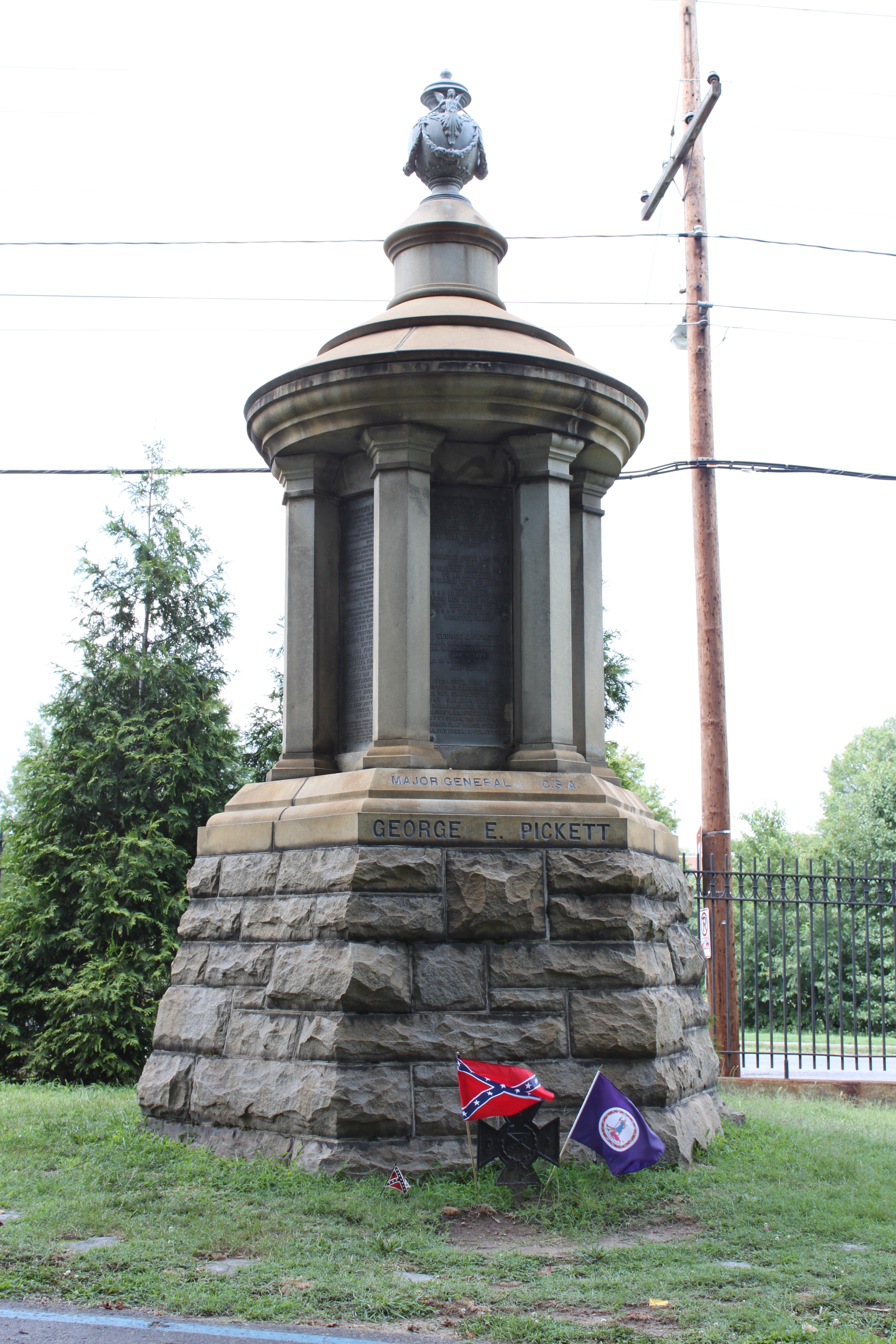
In the video below, I give a short biography of Maj. Gen. Pickett, and talk about some of the particulars of his “headstone” at Hollywood Cemetery, which was originally designed to be a monument to his division at Gettysburg.
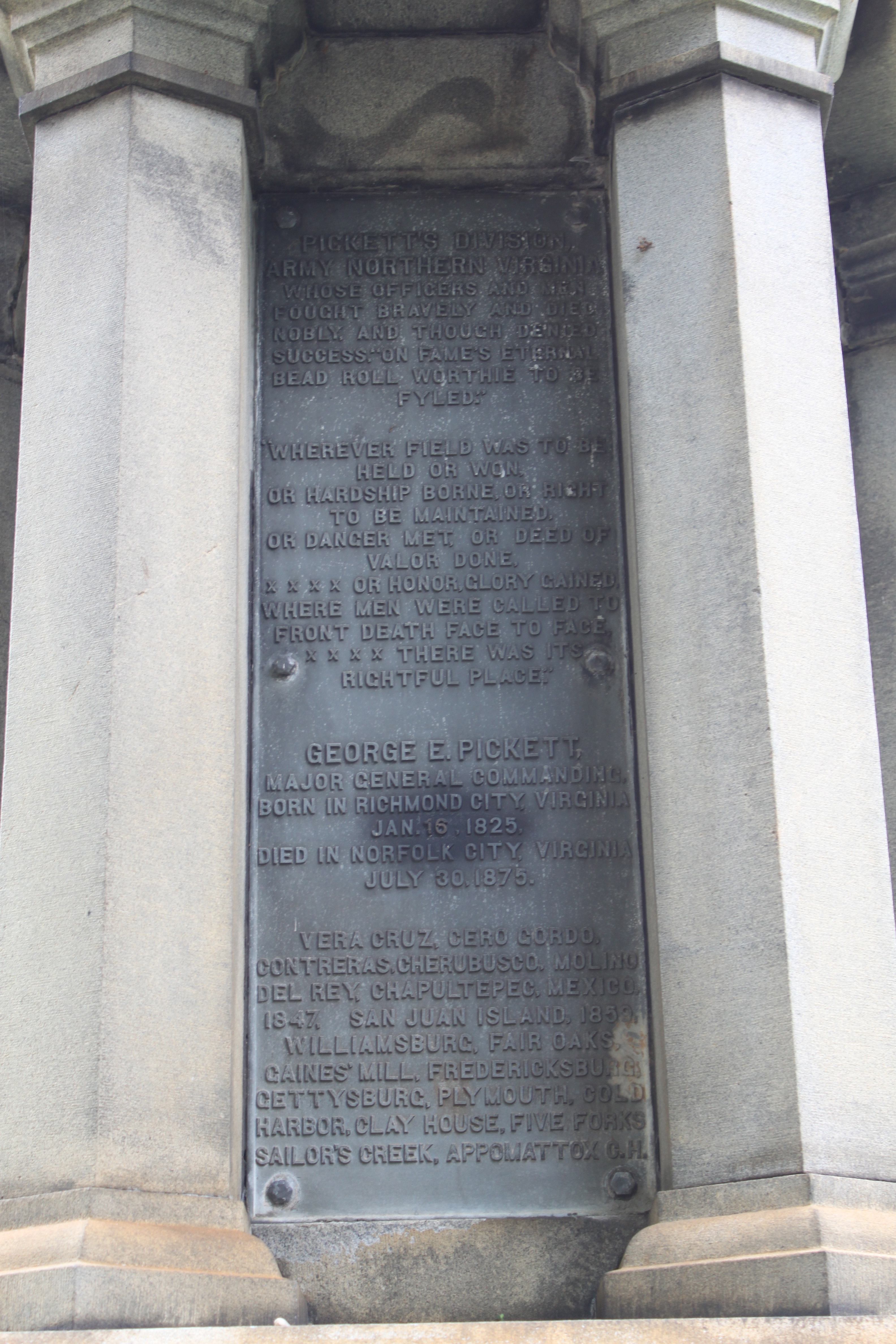
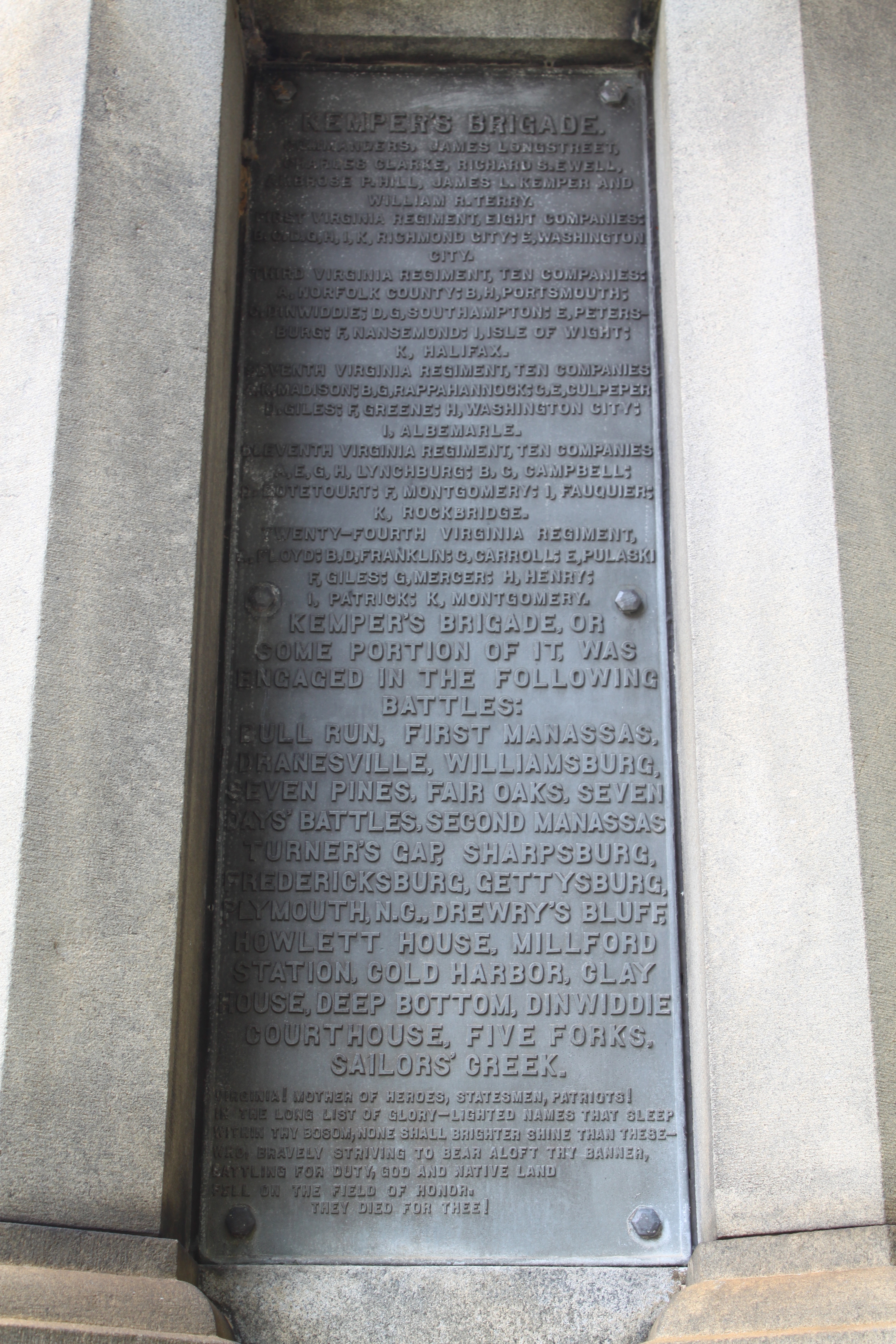
Here are some close-up shots of his monument, so that you can get a sense for how much it resembles a division monument (because in reality, that’s what it is). There’s a lot to it.
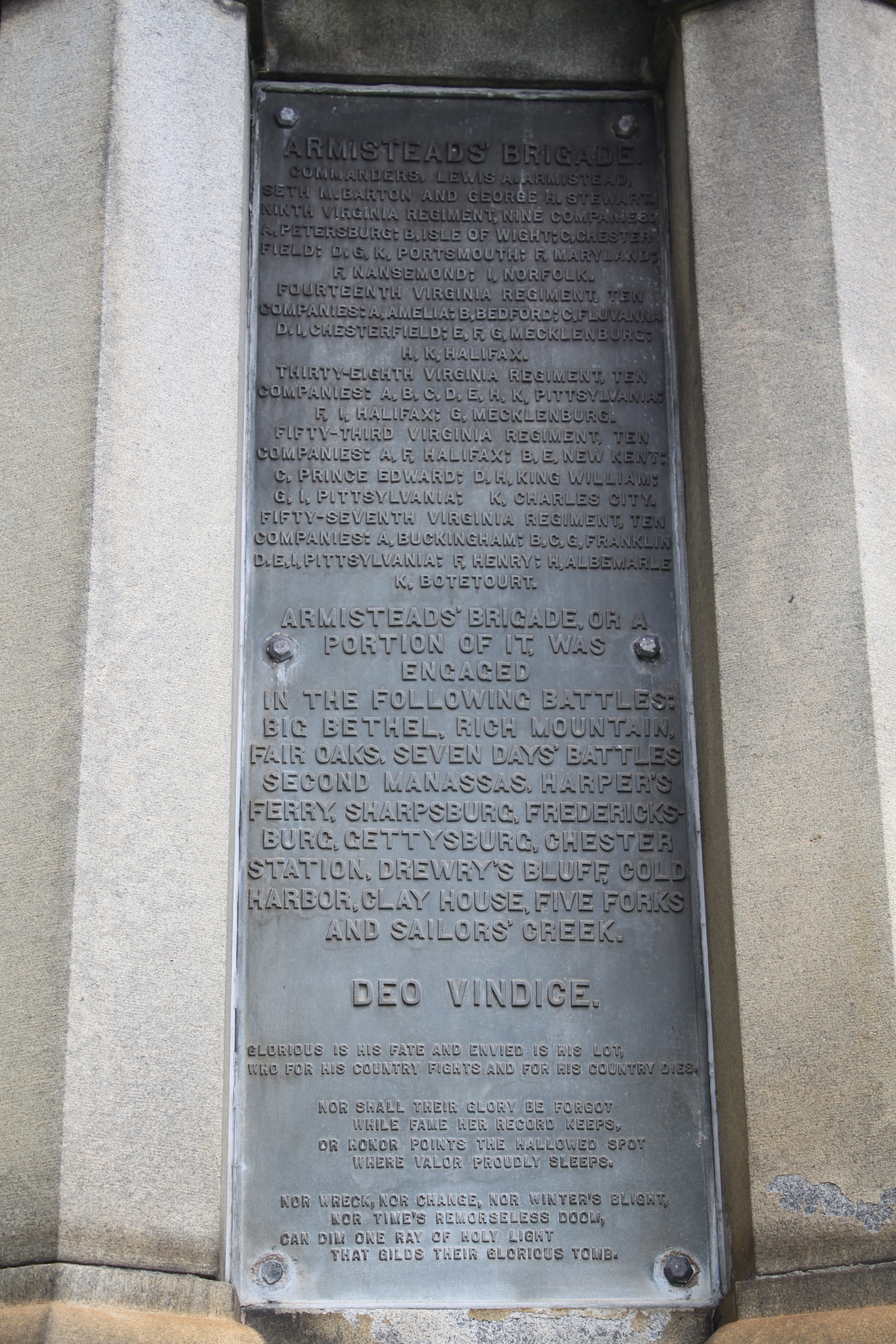
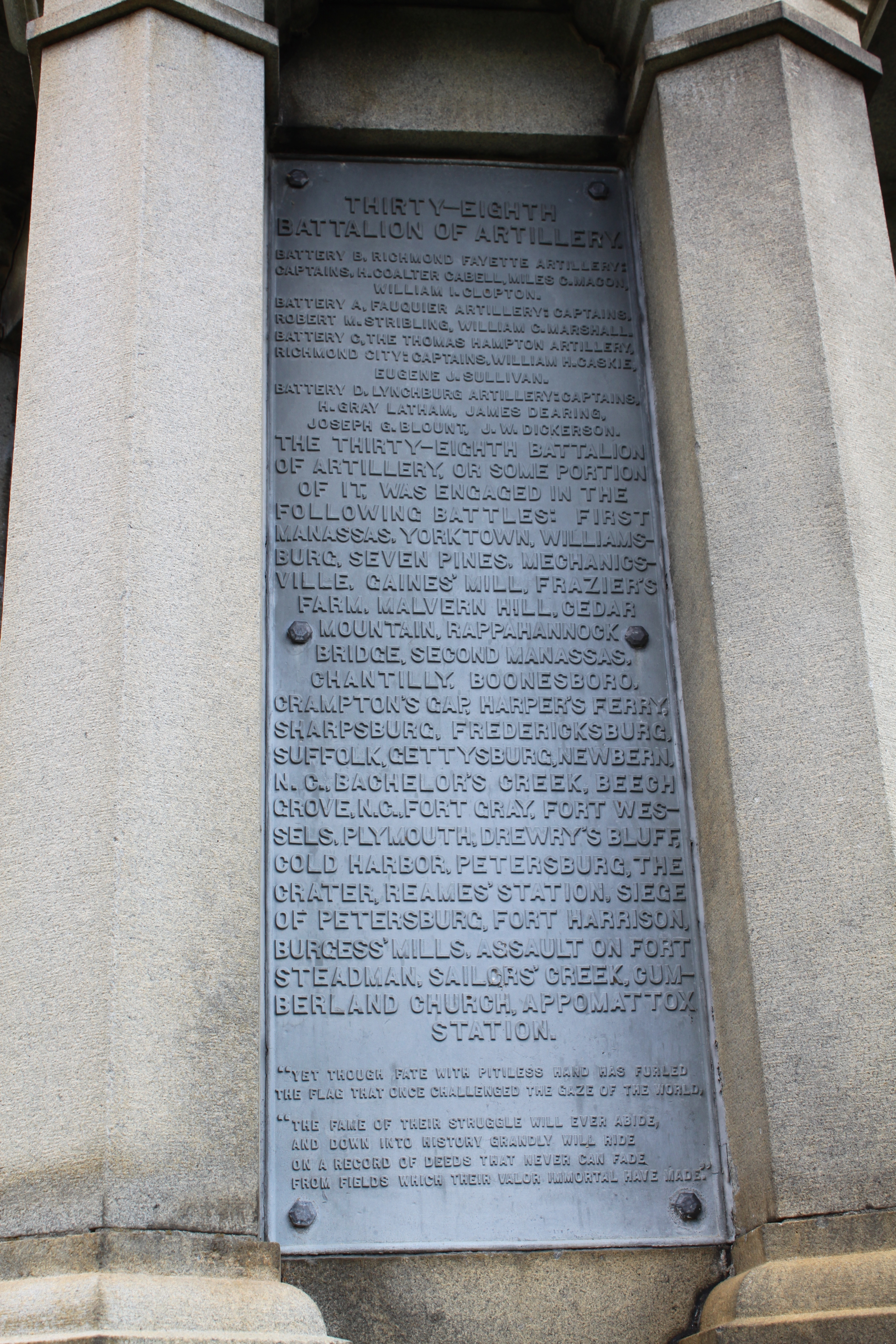
George E. Pickett’s Monument at Hollywood Cemetery. Photo by John Dolan.Pickett’s name and rank weren’t added to the monument until much later. Photo by John Dolan.The plaque on the “front” of the monument. Photo by John Dolan.A plaque honoring Kemper’s brigade. Photo by John Dolan.A plaque honoring Garnett’s brigade. Photo by John Dolan.A plaque honoring Armistead’s brigade. Photo by John Dolan.A plaque honoring Corse’s brigade. Photo by John Dolan.A plaque honoring the artillery battalion that was attached to the division. Photo by John Dolan.
Keeping with the Pickett theme, in the next few posts of the series, we’ll talk about a few officers who were killed in the famous attack that (rightly or wrongly) bears his name.
This is the beginning of a series on famous burials in Hollywood Cemetery in Richmond, VA. Other posts in the series can be viewed here.
Two years ago, I did a series of guest posts for Gettysburg Daily about the Confederate soldiers and officials who are buried at Hollywood Cemetery and who have some type of Gettysburg connection.
I never got all the posts that I produced up onto the site before they stopped regular operations. I’d like to re-post that work here, and also put up the never-before-seen “lost” episodes. For now, we’ll have the introduction:
Look for more posts in this series in the coming days. As I said in the video, Hollywood Cemetery is kind of the Arlington of the Confederacy.
A special thanks to my friend, John Dolan and my dad, George Skillman for making a few trips down to Richmond with me to get the photos and videos for these posts.
A few weeks ago, my mother-in-law told me about her friend Doug Batson who (like me) is a Civil War buff. Doug has gone to a little higher level though – he is a living historian who portrays Confederate Major General D.H. Hill. He even got his wife in on it, too. My mother-in-law suggested that it might be fun to go see them at an event.
General & Mrs. D.H. Hill
If you’re not familiar, “living historians” are not the same as “reenactors”. These guys portray a specific historical figure from the Civil War and speak, act, and dress “in-character” as if they are that person. They study their man so that they know as much as can be known about them, and then either give speeches or answer questions as that man. When it’s done well, it’s very engaging.
So last Sunday, we went out to Frederick and got to see Doug do his thing. It began with an outdoor church service complete with period music. In keeping with the sesquicentennial theme of this year, Doug’s part (as Maj. General Hill) was to give a eulogy for his brother-in-law, Thomas Jonathan “Stonewall” Jackson. Doug did a great job with this, even getting emotional toward the end. He and his wife also wore mourning bands on their arms as was the custom.
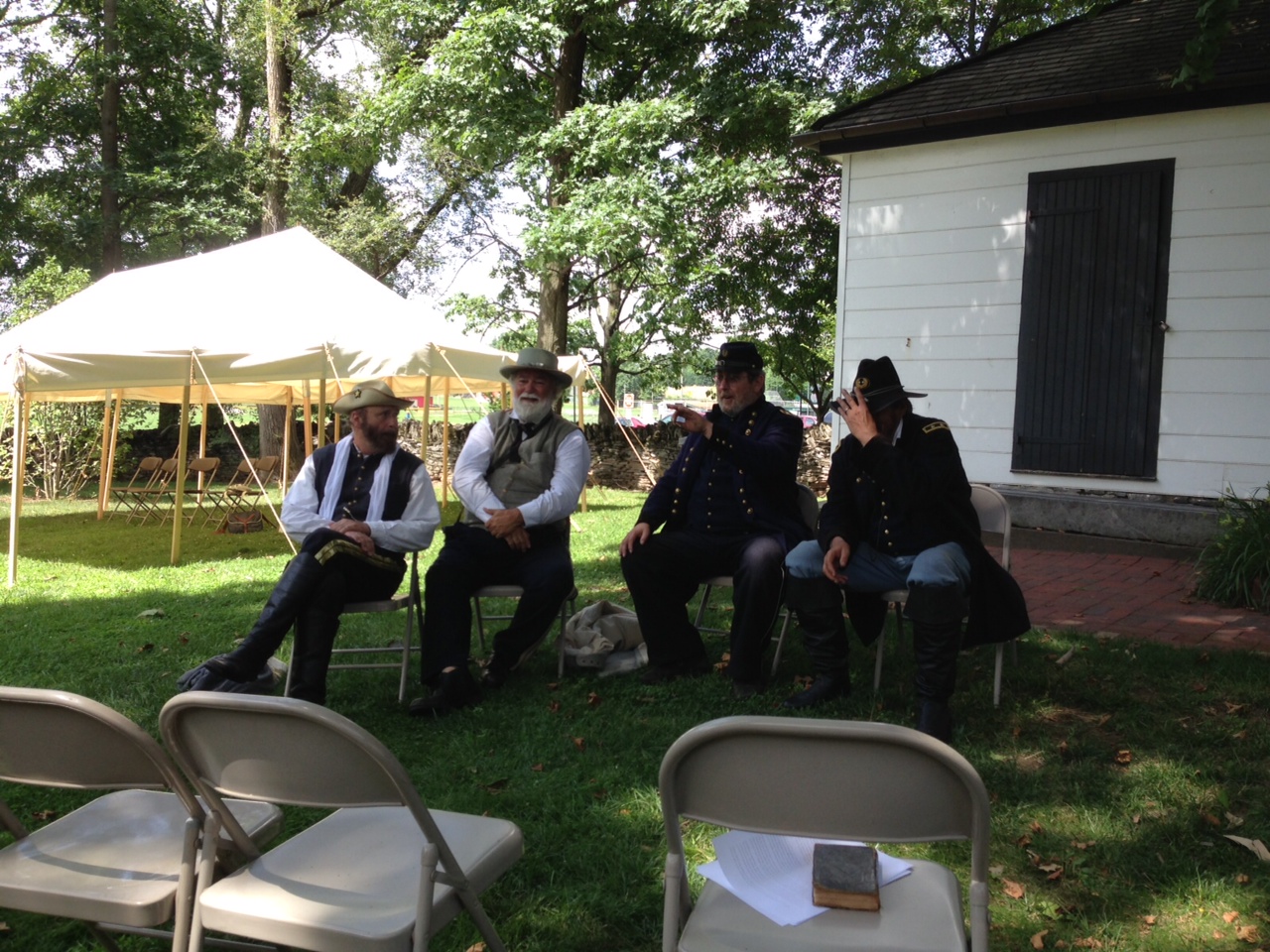
After the service, there was a “Meet the Generals” session. A few living historians besides Doug were there to talk as the men they were portraying. It was really cool.
Being a Gettysburg nerd presented with this array of characters, I had to ask Generals Early and Lee if their relationship was strained after the Gettysburg campaign. You see, as he moved toward Gettysburg on June 25, 1863, Early’s division passed the Caledonia Furnace (owned by rabidly abolitionist Congressman Thaddeus Stevens) and took the opportunity to torch the place. This could be seen as a violation of Lee’s order not to damage civilian property, so I wanted to know if Lee was upset by the action. “General Early” sternly explained that it was a military target, and went off on a tirade about what the Union troops had done to the south. It was a beautiful thing to watch. This guy was good. “General Lee” was (as you might expect) reserved throughout this exchange.
I then turned my attention to “General Meade”, asking him how he felt on June 28th at about 3am. His two-word response, “Heart attack”, was dead-on in my opinion. He had Meade’s look, and seemed to have perfected his attitude as well.
I don’t know as much about General Thomas – I need to learn more about the western theatre of the war – but my initial impression was that this guy was fairly new to the hobby. His portrayal was a little more shy than I’d expect from a guy who became known as “The Rock of Chickamauga”.
After getting some lunch and chatting a little more with “General Lee”, we got to see Doug and his wife perform a piece as General & Mrs. Hill. They had written a dialogue based on letters that the two had written back and forth during the war, and it was pretty good. We all tell our wives about how our day went, and that perspective is an interesting one (though I’m not sure if it is more honest or less so). The “home front” side of the story is pretty compelling, too and Doug’s wife Terri did a fantastic job conveying that.
All in all, it was a wonderful day. If you ever get a chance to see living historians do their thing – especially good ones – you should grab the chance.
 knows the story of